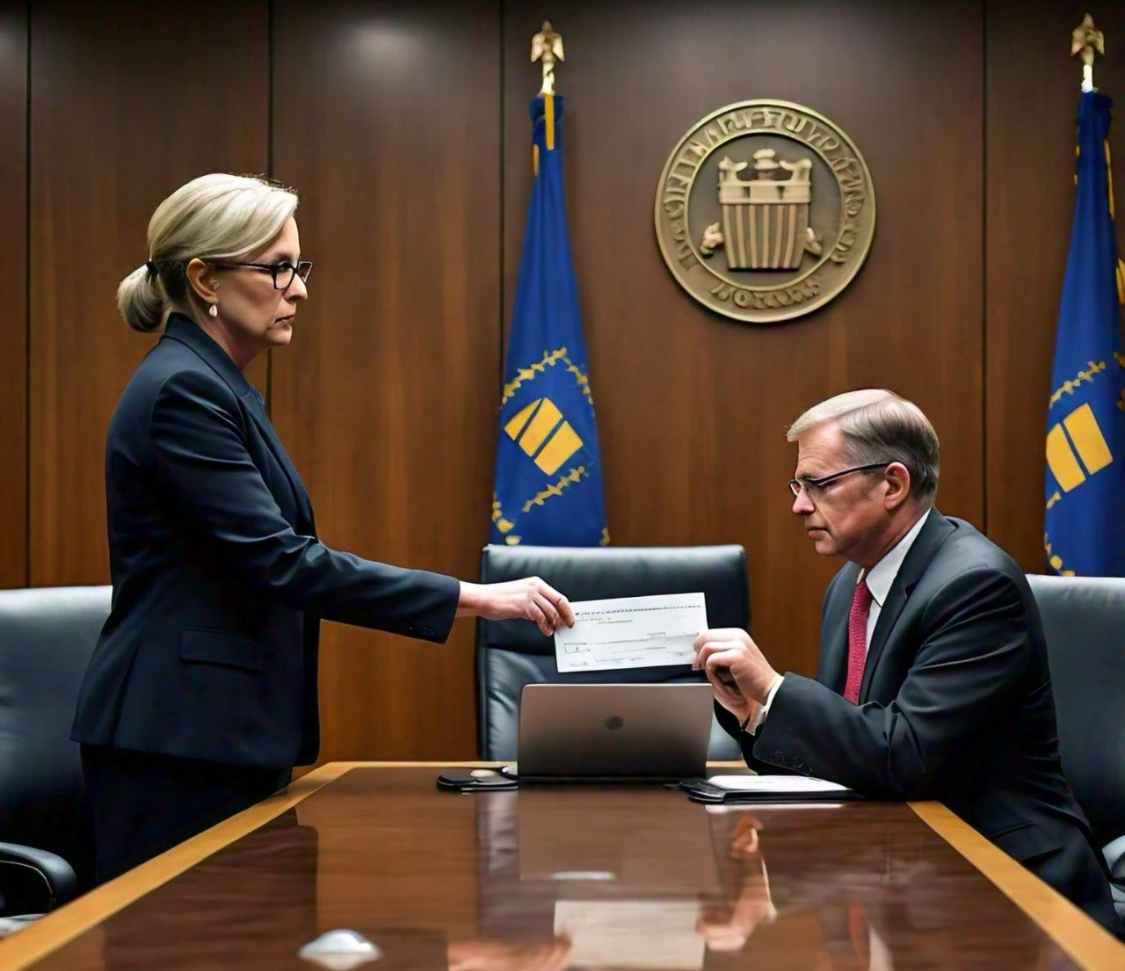
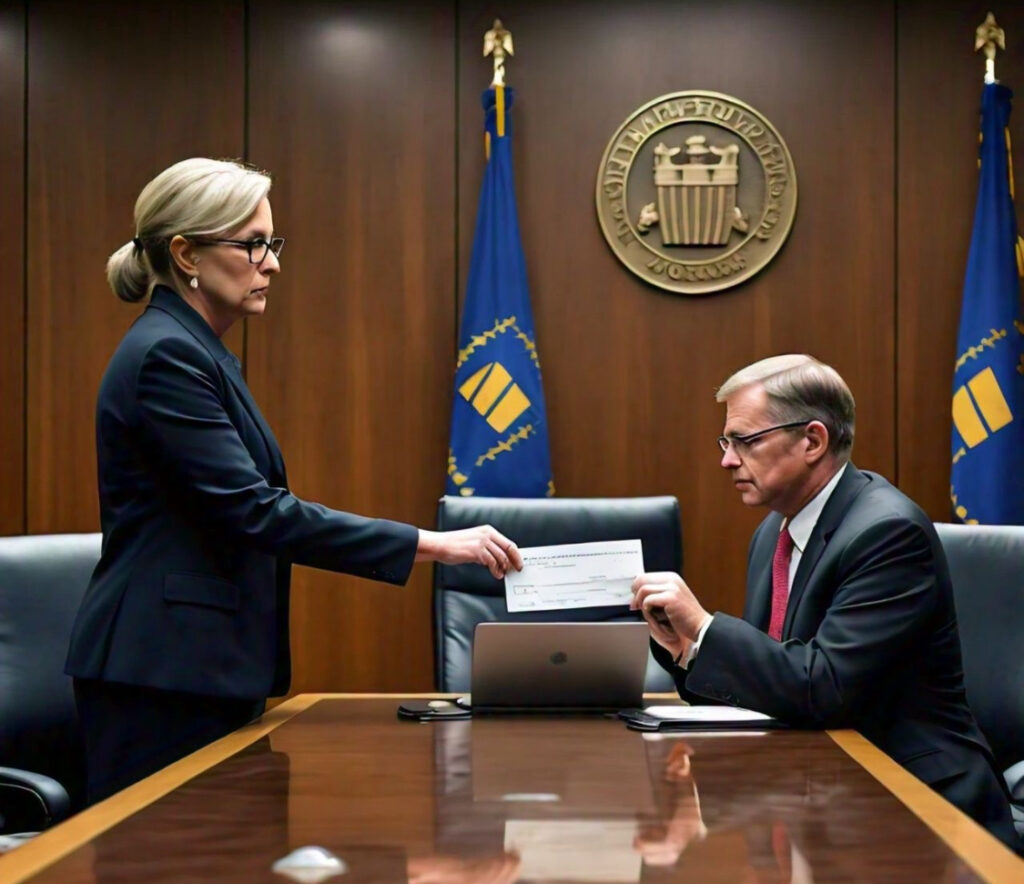
Deutsche Bank has been fined $4 million by the U.S. Securities and Exchange Commission (SEC) for failing to report suspicious transactions on time. The penalty stems from violations of U.S. anti-money laundering (AML) rules. This fine emphasizes the growing pressure on financial institutions to follow strict standards for detecting and reporting potentially illegal activities, like money laundering and fraud.
The Importance of Suspicious Activity Reports
The case centers on Suspicious Activity Reports (SARs), a critical tool used in the fight against financial crime. Banks and financial institutions are required to file SARs when they detect unusual or potentially illegal transactions, such as money laundering, fraud, or terrorism financing.
Under U.S. law, banks must file SARs within 30 days of detecting suspicious activity. These reports help regulators monitor financial systems for illegal activities and take action when needed. Timely filings are essential. If a bank fails to file on time, it risks fines, as seen in Deutsche Bank’s case.
Why Was Deutsche Bank Fined?
The SEC’s investigation revealed that Deutsche Bank failed to file SARs for several suspicious transactions, including wire transfers and trading activity, between 2014 and 2019. Despite recognizing these activities as suspicious, the bank missed the required deadlines for reporting them. This delayed action increased risks to the financial system, prompting the SEC to impose the fine.
This isn’t the first time Deutsche Bank has faced regulatory scrutiny. The bank has previously been involved in a major Russian money-laundering scandal. Despite efforts to improve its internal compliance, the late filing of SARs indicates that the bank’s systems still weren’t up to par.
The SEC’s Role in Financial Oversight
The SEC is responsible for overseeing U.S. financial markets and ensuring transparency. It enforces laws designed to protect against financial crime, including AML regulations. These rules require financial institutions to report suspicious activities accurately and promptly.
In this case, the SEC determined that Deutsche Bank violated these regulations by repeatedly failing to file SARs on time. The fine sends a clear message to other financial institutions that late or missed filings will not be tolerated. The SEC’s action is part of a broader effort to protect the integrity of financial markets and quickly identify illegal activities.
Why Timely Reporting Matters
Timely SAR filings are crucial for maintaining secure financial systems. When banks fail to report suspicious transactions on time, it allows illegal activities to go unchecked. This can lead to money laundering and fraud spreading undetected, undermining trust in financial institutions.
For banks, the consequences of delayed or missed reports are severe. Beyond fines, there’s reputational damage. Customers, investors, and regulators expect banks to operate with integrity and diligence. A fine for late SAR filings suggests that Deutsche Bank’s systems still need improvement to meet compliance standards fully.
What’s Next for Deutsche Bank?
For Deutsche Bank, this $4 million fine is just another chapter in its history of regulatory challenges. The bank has faced multiple compliance issues, including fines for its role in a massive money-laundering scheme and internal controversies.
Despite efforts to improve its anti-money laundering programs, such as hiring more compliance staff and investing in new technology, the latest fine shows there’s still work to be done. The SEC’s action will likely push the bank to further strengthen its compliance protocols and training to avoid future violations. The fine may also harm the bank’s reputation, making it harder to rebuild trust with regulators and customers.
The Bigger Picture: Compliance is Key
The SEC’s fine underscores an important point: no financial institution, regardless of size or global reach, is exempt from scrutiny or penalties for non-compliance. For the financial industry, following anti-money laundering regulations is not just about avoiding fines; it’s about protecting the financial system and maintaining public trust.
The banking sector faces constant pressure to detect suspicious activity and report it quickly. To meet these demands, banks must have robust systems in place, including staff training, technology investments, and updated procedures. Non-compliance—whether intentional or not—can have severe financial and reputational consequences.
Deutsche Bank’s $4 million fine from the SEC serves as a reminder of the importance of compliance with anti-money laundering laws. The case highlights the need for financial institutions to report suspicious transactions quickly and accurately. It also emphasizes the responsibility that all banks have to maintain transparency and avoid illicit activity. With regulators like the SEC enforcing these rules, banks must stay vigilant and committed to high standards to protect their reputations and avoid penalties.