
Why the Floods Were So Bad
Dubai recently faced an unusual amount of rain in just one day—more than it usually gets in a year and a half. This caused intense flooding because the city’s drainage system couldn’t handle the sudden downpour. Several key factors contributed to the severity of the flooding.
Reasons Behind It:
Rapid Urbanization and Too Many Buildings
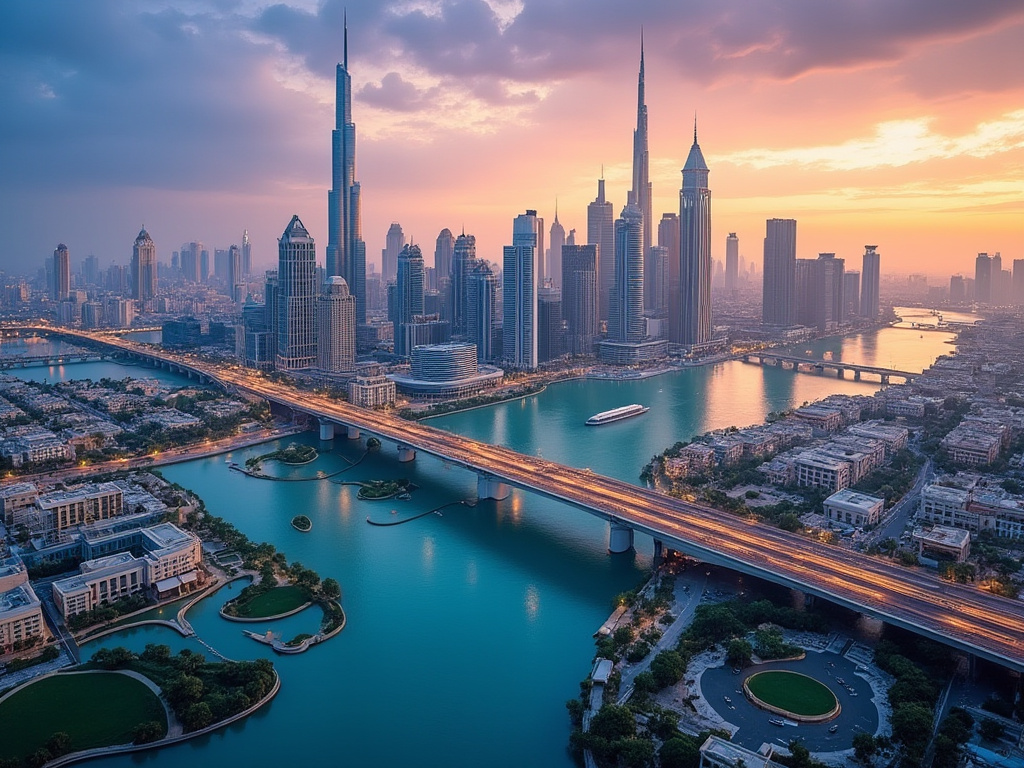
Dubai’s transformation from a small desert town to a sprawling metropolis has been rapid, driven by ambitious construction projects and urban development. This rapid urbanization has come at a cost: the loss of natural landscapes that once absorbed rainwater. As Dubai’s skyline rose, the city saw a reduction in open spaces, parks, and green areas, which traditionally help manage rainwater by allowing it to seep into the ground. Instead, rainwater now flows over vast expanses of concrete, asphalt, and glass, which are impermeable surfaces that funnel water directly into streets, leading to flash floods. This urban layout means water has nowhere to go, overwhelming the existing drainage systems and causing widespread flooding.
Climate Change and Unpredictable Weather Patterns
Climate change is a major global concern, and its effects are increasingly visible in regions like the Middle East, which are not traditionally prone to heavy rainfall. Rising global temperatures contribute to altered weather patterns, leading to extreme and unpredictable weather events. Warmer air holds more moisture, increasing the intensity and frequency of heavy rainfalls. For Dubai, this meant experiencing a sudden downpour that the city was unprepared for. These extreme weather patterns are not just one-off incidents but part of a growing trend that could continue to challenge cities like Dubai that are not accustomed to such conditions.
Outdated Systems
Dubai’s infrastructure, while modern in many respects, was not designed with extreme weather in mind. The city’s drainage systems were built to handle the occasional light rain, not torrential downpours. As a result, the existing drainage and flood protection systems were simply unable to cope with the volume of water that fell during the recent floods. Outdated and inadequate, these systems failed to direct the water away efficiently, resulting in widespread flooding. This highlights a significant gap between the city’s rapid development and its resilience planning, revealing that the infrastructure has not kept pace with the increasing risks posed by climate change.
Lack of Comprehensive Flood Planning
Floods are rare in Dubai, and because of this, flood planning has historically been a low priority. This lack of foresight became evident during the recent flooding, where the absence of updated flood management plans exacerbated the crisis. Without proper flood mitigation strategies, the city found itself scrambling to respond to the sudden deluge. Flood preparedness involves not just infrastructure but also effective emergency response plans, public awareness, and coordinated actions among government bodies, businesses, and residents. The absence of a proactive approach left the city vulnerable, highlighting the need for a significant shift in how Dubai prepares for such emergencies.
Insufficient Green Infrastructure
Green infrastructure, such as rain gardens, permeable pavements, and green roofs, plays a crucial role in managing urban water runoff by absorbing rainwater and reducing the burden on drainage systems. Dubai’s focus on high-end architectural marvels often overlooks these green solutions, which can significantly mitigate flood risks. Incorporating more green spaces into the urban fabric, such as parks, artificial wetlands, and vegetation corridors, would not only enhance the city’s aesthetic but also serve as a practical flood management strategy. These natural features act as sponges, absorbing excess water and helping to manage rainwater sustainably.
Poor Maintenance of Existing Drainage Systems
Even the existing drainage systems, although outdated, require regular maintenance to function effectively. Blocked drains, debris, and inadequate upkeep can severely impair the performance of these systems during heavy rainfall. Neglecting regular checks and maintenance routines can lead to clogging, which reduces the drainage capacity and worsens flooding. Effective maintenance programs are essential to ensure that even older systems can perform to the best of their ability when needed most.
High Urban Heat Island Effect
Dubai’s urban design, characterized by concrete, glass, and asphalt, contributes to the urban heat island effect, where cities become significantly warmer than their rural surroundings. This localized heating can intensify weather conditions, potentially triggering more severe rainstorms. Additionally, the heat island effect contributes to rapid runoff during rain events, as the hotter surfaces increase evaporation rates and exacerbate the overall impact of heavy rainfall.
Water Management Challenges
Dubai’s geographic location in a desert climate makes water management challenging under normal circumstances. The city has focused heavily on desalination for water supply, but stormwater management has not seen the same level of investment. Integrating stormwater into broader water management strategies, such as capturing and reusing rainwater, could provide an additional buffer against flooding while offering a sustainable water resource.
Impact on Businesses
Damage and Costs
Many businesses experienced damage and had to deal with high repair costs. Transportation was disrupted, leading to delays and extra expenses.
Small Business Struggles
Small businesses were especially hard hit. They often don’t have enough funds or insurance to bounce back quickly, which can make their recovery a long and difficult process.
What We Can Do Better
Check for Risks
We need to ensure our drainage systems can handle heavy rain and find any weak spots in our flood defenses.
Improve Infrastructure
Invest in better flood protection, like updated drainage systems and barriers, to better manage extreme weather.
Have a Plan
Create and regularly update emergency plans for floods. Practice these plans so everyone knows what to do.
Work Together
Preparing for floods takes cooperation. Governments, businesses, and communities should work together to be ready and respond effectively.
Be Prepared
Plan Wisely
When building new projects, think about flood risks. Choose locations less likely to flood and use designs that handle heavy rain.
Preserve Green Spaces
Keep or create parks and natural areas. These spaces help absorb rainwater and reduce flood risk.
Stay Informed
Stay aware of potential flood risks and make sure you have good insurance to protect yourself. Regularly update your emergency plans to stay prepared.
The recent floods in Dubai remind us how important it is to be ready for unexpected weather. By understanding risks, improving our infrastructure, and working together, we can handle future floods much better.